On this page
Telehealth care is available in Arizona, Florida, Illinois, Indiana, Kentucky, Michigan, Nevada, and New York. You must be in your selected state during the visit.
For general educational purposes only, not a substitute for specific medical advice. Consult with a licensed provider before implementing any adjustments to your treatment regimen.
Most hives do not last long. A single welt usually fades within 24 hours, though new ones can appear, and most cases clear up within a few days to a few weeks. If hives keep coming back for six weeks or longer, they are called chronic hives.
Hives are usually harmless, but they can be part of a serious allergic reaction. Here is what causes them, how to get relief and when to get help fast.
What Hives Look Like
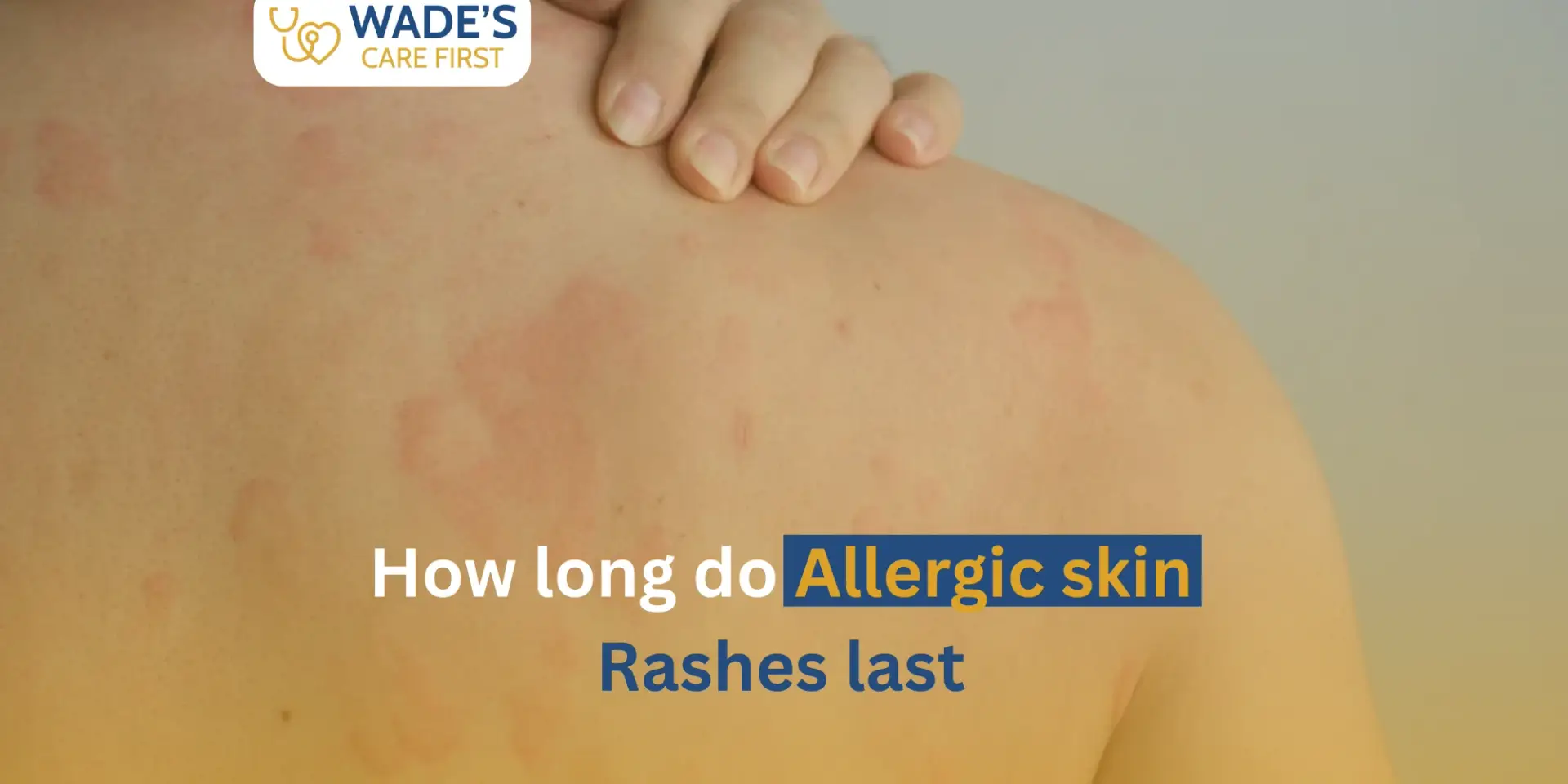
Hives (the medical word is urticaria) are raised, itchy bumps or patches that appear suddenly. On lighter skin they look pink or red. On darker skin they may match your skin tone or look purple, gray or dark brown, which can make them harder to spot.
Welts often change shape, fade and show up somewhere else within minutes or hours. Some people also get deeper swelling under the skin, called angioedema. Scratching or pressing on the skin can bring out hives in that exact spot.
Hives happen when your body releases histamine and other chemicals into the skin. Sometimes that is an allergic reaction, and sometimes it is a reaction to something else entirely.
Acute vs. Chronic Hives
- Acute hives last less than six weeks. This is the most common kind, and it often goes away without treatment.
- Chronic hives keep appearing for six weeks or longer. When they show up on most days with no known trigger, the condition is called chronic spontaneous urticaria.
Chronic hives can be frustrating, and often no cause is found. The good news is that most chronic hives go away on their own in less than a year, and treatment can keep symptoms under control in the meantime. Women are about twice as likely as men to develop chronic spontaneous hives.
Common Causes and Triggers
Hives can be triggered by:
- Foods, such as shellfish, fish, nuts, eggs and milk
- Medicines
- Insect bites and stings, pollen, pet dander or latex
- Infections, such as a cold, strep throat, a urinary tract infection or COVID-19
- Physical triggers, such as heat, sweat, cold, sunlight, exercise or pressure from tight clothing or a purse strap
- Stress
If you get hives a few hours after eating red meat, gelatin or dairy, tell your clinician about that pattern. Even so, the cause of hives is often never found, and allergy testing does not help in most cases.
How to Ease the Itch at Home
Mild hives can often be treated at home:
- Dermatologists often suggest a non-drowsy, 24-hour antihistamine you can buy without a prescription. Ask a pharmacist which one fits you, especially if you take other medicines, are pregnant or are choosing one for a child.
- Anti-itch lotions with pramoxine, menthol or calamine can bring short-term relief.
- Skip hot baths and showers, and wear loose clothing.
- Avoid any trigger you already know about.
If hives started after a new prescription, contact your clinician or pharmacist promptly. Do not stop or change a prescribed medication on your own unless you are having emergency symptoms. In that case, call 911.
When Hives Won’t Go Away
If hives last longer than six weeks or cover a large area of your body, it is time for a closer look. Keep notes on when they appear, what you ate, what you were doing and any new medicines or products. That record helps your clinician spot patterns.
Treatment for long-lasting hives aims to control the itch and prevent new welts. Options can include a stronger antihistamine or other prescription medicines, and some people are referred to a dermatologist or allergist. It is also unusual for a single welt to last more than 48 hours, so a spot that stays put for days should be checked, since other skin conditions can look like hives. For more on similar rashes, read how long allergic skin rashes last.
How a Video Visit Can Help
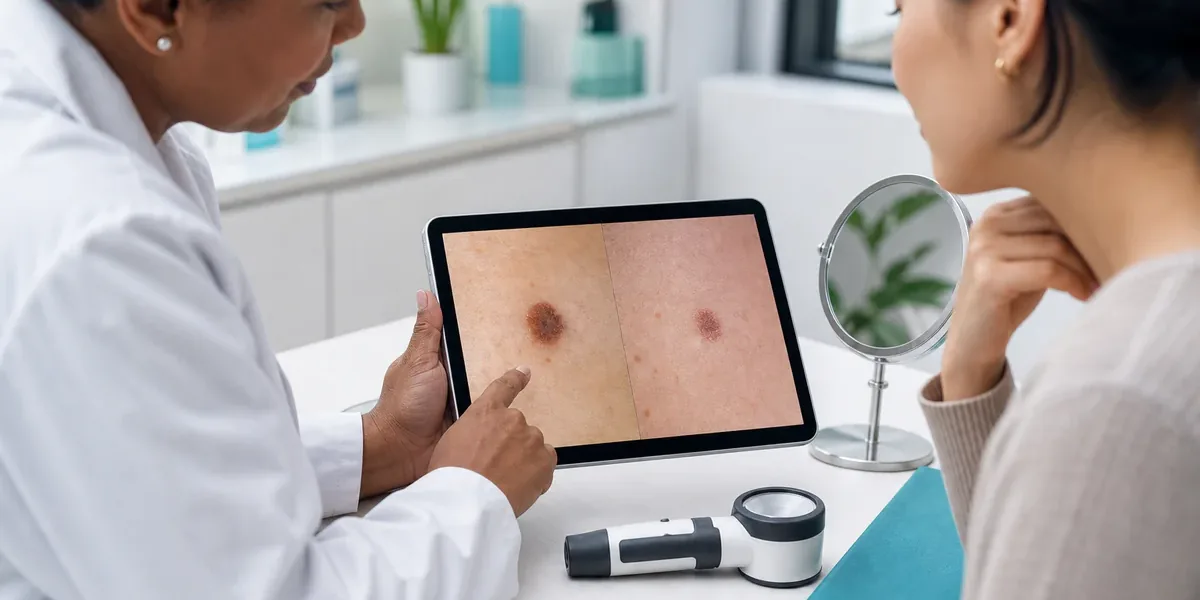
Hives can be gone by the time your appointment starts, so photos matter. Take a well-lit close-up and a wider shot that shows where the hives are, without filters. Have a list of recent foods, medicines, illnesses and new products ready.
By video, a clinician can review your photos and history, talk through likely triggers and discuss treatment options. A visit does not guarantee any specific medication. If blood tests are needed, they can be ordered at a local lab. Hives that keep returning, a rash that does not look like typical hives or swelling that needs a hands-on exam may call for in-person care. Learn more about how skin conditions are diagnosed through virtual visits.
When to Get Care Right Away
Hives can be one sign of anaphylaxis, a life-threatening allergic reaction that can start within minutes. Call 911 right away if hives come with:
- Swelling of the lips, tongue, face or throat
- Trouble breathing or swallowing, wheezing or a very hoarse voice
- Throat tightness or chest tightness
- Dizziness, light-headedness or fainting
- A racing heart
- Vomiting or belly pain after a sting, food or new medicine
If you have a prescribed epinephrine auto-injector, use it immediately, then call 911. Also get urgent in-person care for hives with fever, widespread blistering or mouth sores.
The Short Answer
Single hives usually fade within a day, and most outbreaks clear within a few days to a few weeks. Hives that last six weeks or longer are chronic, often have no clear cause and usually improve with treatment over time. Swelling of the face or throat, trouble breathing or feeling faint is an emergency: use epinephrine if you have it and call 911.
Learn more on our online dermatology care page.
Get Support
Wade’s Care First provides telehealth care in Arizona, Florida, Illinois, Indiana, Kentucky, Michigan, Nevada and New York, with same-day appointments when available. Visits are with Charles Wade, FNP-BC, a board-certified family nurse practitioner.
We accept many major insurance plans, including Original Medicare (Indiana only), Medicaid (Indiana, Illinois and Nevada only), UnitedHealthcare, Aetna, Humana and Cigna. Plan participation varies by state, and self-pay visits are available.
If hives keep coming back or the itch is wearing you down, a visit can help you find relief and a plan.
Book at wadescarefirst.com.
Answers connected to this topic.
What photos help make an online skin assessment more useful?
Send a well-lit close-up and a wider image showing the location, without filters. Include how long the problem has been present and any products or medications tried.
What should I do about a rash after starting a new medication?
Contact a clinician promptly. Fever, widespread blistering, mouth sores, facial swelling or breathing difficulty can signal a serious reaction and require urgent or emergency care.
Can mild insect bites or minor skin reactions be reviewed?
Yes. Clear photos may help determine whether supportive care, medication or in-person assessment is warranted. Rapid swelling or breathing symptoms require emergency care.
Further reading: medlineplus.gov (hives) · medlineplus.gov (anaphylaxis) · aad.org (hives causes) · aad.org (hives treatment).