On this page
Telehealth care is available in Arizona, Florida, Illinois, Indiana, Kentucky, Michigan, Nevada, and New York. You must be in your selected state during the visit.
For general educational purposes only, not a substitute for specific medical advice. Consult with a licensed provider before implementing any adjustments to your treatment regimen.
Eczema often gets worse in winter because cold outdoor air, dry indoor heat and long hot showers pull moisture out of skin that already has trouble holding on to it. Heavy layers, wool and sudden temperature changes can make the itch worse.
A few daily habits can calm many winter flares. If your skin keeps flaring anyway, a clinician can help you find a stronger plan, often through a video visit with clear photos.
Why Winter Is Hard on Eczema
With eczema (atopic dermatitis), the skin’s protective outer layer does not hold moisture well. Dry skin becomes irritated and inflamed, and that leads to itching. Scratching damages the skin further, and the cycle repeats.
Common winter triggers include:
- Cold, dry air. Winter air outside is dry, and heated air indoors is often dry too.
- Hot showers and baths. Long, hot soaks dry out the skin.
- Wool and rough fabrics. Sweaters, scarves and heavy layers can rub and irritate skin.
- Overheating and sweating. Bundling up and then sitting in a warm room can set off a flare.
- Sudden temperature changes. Going back and forth between the cold outdoors and warm rooms is hard on skin.
- Colds and stress. Winter illnesses and emotional stress are both known triggers.
Fragrances in soaps and skin products can irritate eczema at any time of year.
What a Flare Looks Like on Different Skin Tones
Itching is the most common symptom, and it can be intense. Many people feel the itch before they see a rash.
The rash can look different depending on your skin tone:
- On lighter skin, eczema often looks red, dry and scaly.
- On darker skin, patches may look dark brown, purple or gray instead of red. Small, rough bumps are also more common.
- Scratched areas can ooze clear fluid, crust over or bleed.
- Skin that has been scratched for a long time can become thick and leathery.
After a flare heals, the skin may look lighter or darker than the skin around it. In teens and adults, eczema often shows up on the hands, neck, inner elbows, backs of the knees, ankles and around the eyes. In children, the bends of the elbows and knees are common spots.
A Winter Skin Routine That Helps
- Keep showers short and warm, not hot. Aim for 5 to 10 minutes.
- Pat dry and moisturize right away. Gently pat your skin with a towel, then apply moisturizer within a few minutes, while your skin is still damp. This helps trap moisture.
- Choose thick creams or ointments. They hold in more moisture than lotions. Petroleum jelly is a simple, low-cost option. Apply 2 to 3 times a day and whenever your skin feels dry.
- Go fragrance-free. Use mild, fragrance-free cleansers and moisturizers, and use cleanser only where you need it.
- Run a humidifier. A humidifier in your bedroom overnight adds moisture to dry indoor air. Clean it regularly to prevent mold.
- Layer with cotton. Wear loose cotton clothing, and put a cotton layer under wool or other rough fabrics.
- Protect your hands. Wear gloves outside in cold weather and when washing dishes.
- Keep nails short. Short nails do less damage when you scratch. Light cotton gloves at night can help if you scratch in your sleep.
For children, the same basics apply. Keep baths short and warm, use a gentle fragrance-free cleanser only where needed and skip bubble bath.
When Over-the-Counter Care Isn’t Enough
Over-the-counter options, such as a mild hydrocortisone cream or an oral antihistamine for itching, help some people. If your skin is not improving with good home care, the itch is keeping you up at night or flares keep coming back, it is time to talk with a clinician.
Depending on your skin, age and health history, prescription options a clinician may discuss include:
- Stronger corticosteroid creams or ointments
- Non-steroid creams or ointments, such as calcineurin inhibitors (tacrolimus or pimecrolimus) or a JAK inhibitor cream
- Antibiotics if the skin is infected
- For moderate to severe eczema, light therapy, injectable biologic medicines or JAK inhibitor pills, often managed with a dermatologist
A visit does not guarantee any specific medication. The right choice depends on your evaluation. Use any prescription exactly as directed, and do not stop or change a prescribed treatment on your own. Talk to your clinician or pharmacist first.
How a Video Visit Works for Eczema
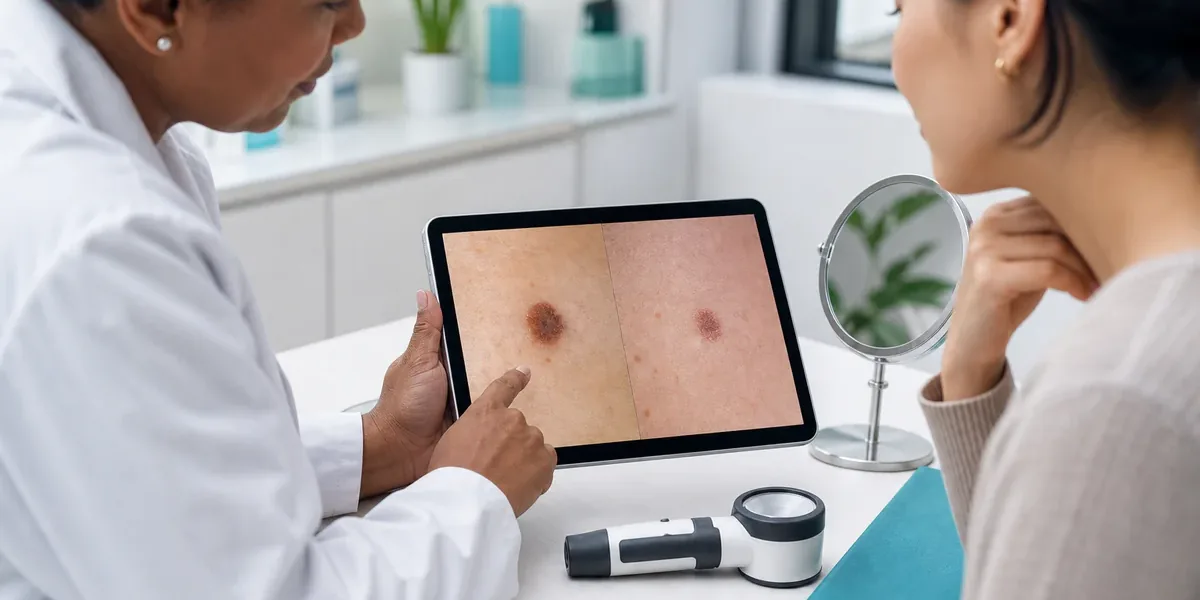
Eczema is often a good fit for telehealth because a clinician can see much of what they need on camera and in photos. Before your visit:
- Take a well-lit close-up and a wider photo that shows where the rash is. Use natural light and no filters.
- Photograph the worst areas and any spots that look infected.
- List the soaps, lotions and other products you use, plus anything you have tried for the rash.
- Note when the flare started and what seems to make it worse.
Your clinician will ask about your history, triggers, sleep and allergies, look at your skin and photos and talk through a plan. If a prescription is appropriate, it is sent to your local pharmacy. Follow-up visits with new photos help show whether the plan is working.
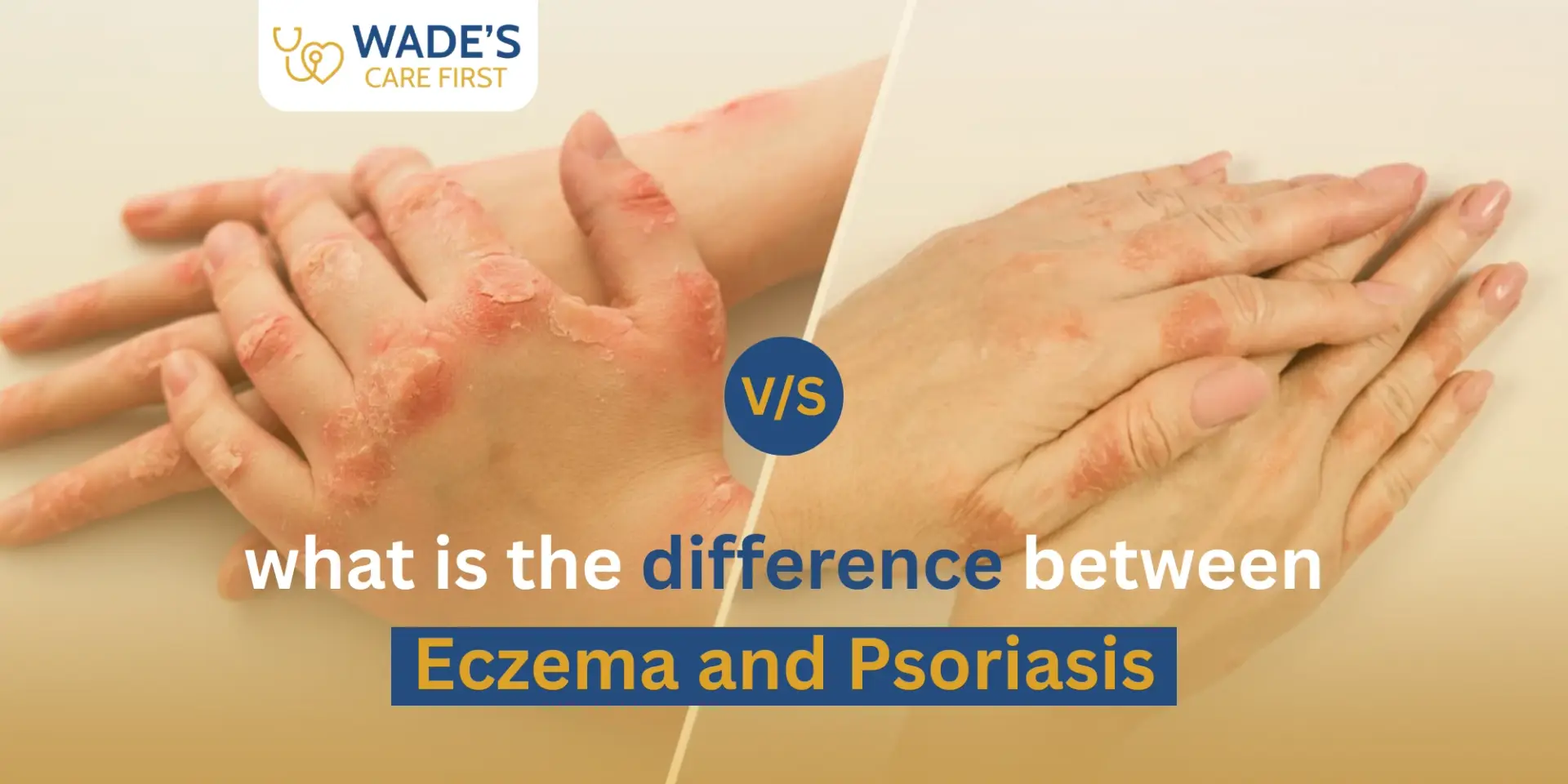
Telehealth has limits. A rash that is hard to see on camera, a possible infection that needs testing or eczema that needs light therapy may call for an in-person visit or a dermatology referral. Children 5 and older can be seen by video with a parent or guardian on the call. If you are not sure whether your rash is eczema, our post on the difference between eczema and psoriasis may help.
Signs of Infection and When to Get Care Right Away
Cracked, scratched skin makes infection more likely. Contact a clinician promptly if you notice:
- Yellow or golden crusts on the rash
- Redness or pain that is getting worse
- Fever along with a worsening rash
Get in-person care the same day for clusters of painful blisters or sores, especially with fever, tiredness or swollen glands. This can be a sign of eczema herpeticum, a serious viral skin infection that can be dangerous for babies, children and people with weakened immune systems.
Call 911 or go to an emergency department for trouble breathing, swelling of the face, lips or tongue, confusion or someone who seems very ill.
The Short Answer
Eczema gets worse in winter mainly because cold air, dry indoor heat, hot showers and rough, warm layers dry out and irritate skin that already loses moisture easily. Short warm showers, thick fragrance-free moisturizer applied right away, a humidifier and cotton layers can make a real difference. If flares keep coming back or your skin looks infected, a clinician can review your skin by video and talk through next steps, including prescription options when appropriate.
Learn more on our online dermatology care page.
Get Support
Wade’s Care First provides telehealth care in Arizona, Florida, Illinois, Indiana, Kentucky, Michigan, Nevada and New York, with same-day appointments when available. Visits are with Charles Wade, FNP-BC, a board-certified family nurse practitioner.
We accept many major insurance plans, including Original Medicare (Indiana only), Medicaid (Indiana, Illinois and Nevada only), UnitedHealthcare, Aetna, Humana and Cigna. Plan participation varies by state, and self-pay visits are available.
If winter has your skin itching and cracking, a short video visit with a few clear photos is an easy place to start.
Book at wadescarefirst.com.
Answers connected to this topic.
Can stress or skin-care products trigger eczema or dermatitis?
Yes. Irritants, allergies, dry skin and stress can contribute. We review exposures and discuss skin care and treatment options.
What photos help make an online skin assessment more useful?
Send a well-lit close-up and a wider image showing the location, without filters. Include how long the problem has been present and any products or medications tried.
How will we know whether a skin treatment is working?
Follow-up may involve symptom changes, repeat photographs, side-effect review and adjustment of treatment or referral when improvement is insufficient.
Further reading: medlineplus.gov · niams.nih.gov · aad.org (eczema symptoms) · aad.org (dry skin).