
On this page
Telehealth care is available in Arizona, Florida, Illinois, Indiana, Kentucky, Michigan, Nevada, and New York. You must be in your selected state during the visit.
For general educational purposes only, not a substitute for specific medical advice. Consult with a licensed provider before implementing any adjustments to your treatment regimen.
The earliest sign of shingles is usually not a rash. It is pain, burning, tingling or itching in one area of skin, on one side of the body or face. The rash shows up a day or two later, sometimes after several days.
Timing matters with shingles. Antiviral medicine works best when it is started within 3 days of the rash appearing, so this is one rash you should not wait on.
The First Signs, Before the Rash
Shingles is caused by the varicella-zoster virus, the same virus that causes chickenpox. After chickenpox, the virus stays quiet in your nerves. Years later it can become active again and travel along a nerve to the skin.
Because it follows a nerve, the first symptoms are often nerve symptoms:
- Burning or shooting pain
- Tingling, itching or an “electrical” feeling on the skin
- Skin that hurts when touched
These feelings stay on one side of the body, and the pain can range from mild to severe. Some people also have a fever, headache, chills or an upset stomach. Until the rash appears, it can be hard to tell what is causing the pain.
What the Rash Looks Like and How Long It Lasts
The shingles rash is a cluster of small, painful blisters on inflamed skin. It usually forms a single stripe or band around the left or right side of the torso, and it does not cross to the other side. It can also appear on one side of the face or anywhere else on the skin.
On lighter skin, the bumps and the skin under them tend to look red or pink. On darker skin, the bumps may look grayish, dark brown or purplish, and the color change under the blisters can be subtle.
A typical timeline looks like this:
- Days before the rash: pain, burning or tingling in one area
- Rash appears: blisters form, and a few new ones may keep showing up
- About 7 to 10 days: blisters dry out and scab over
- Within 2 to 4 weeks: the rash clears for most people
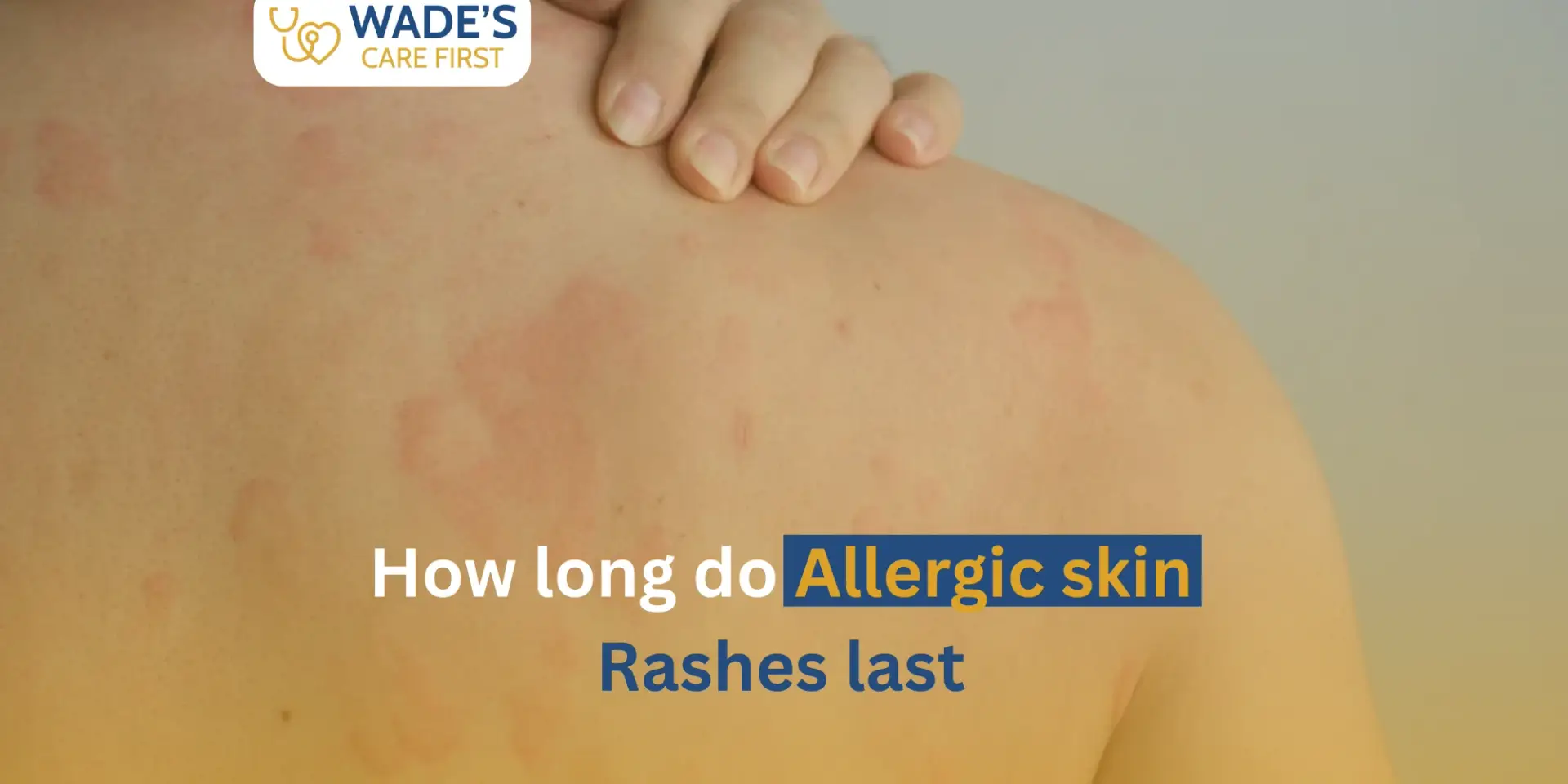
Many rashes can look alike early on. If you are not sure what you are seeing, our guide to how long allergic skin rashes last covers other common causes.
Why You Shouldn’t Wait to Get Treated
There is no cure for shingles, but prescription antiviral medicine may make the illness shorter and less severe. It may also lower the chance of long-lasting nerve pain. These medicines are most effective when started within 3 days after the rash appears, so contact a clinician as soon as you suspect shingles.
If it has already been more than 3 days, it is still important to be seen. Whether an antiviral is right for you depends on your symptoms, timing and health history. A visit does not guarantee any specific medication.
For comfort at home, a cool, wet washcloth, calamine lotion and oatmeal baths may ease itching. Loose clothing can help too. Over-the-counter pain relievers may help with pain, but ask a clinician or pharmacist which one is safe with your other medicines and health conditions.
Is Shingles Contagious?
You cannot catch shingles from another person. But someone who has never had chickenpox or the chickenpox vaccine can catch chickenpox through direct contact with fluid from shingles blisters.
The virus cannot be spread before the blisters appear or after the rash has crusted over. Until then:
- Keep the rash covered. The risk of spread is low when it is covered.
- Do not touch or scratch the rash, and wash your hands often.
- Stay away from pregnant people who have not had chickenpox or the vaccine, premature or low birth weight babies and anyone with a weakened immune system.
Nerve Pain That Lingers and the Shingles Vaccine
The most common complication of shingles is postherpetic neuralgia, or PHN. This is pain that continues in the area where the rash was, even after the skin has healed. It usually gets better within a few weeks or months, but for some people it lasts for years and interferes with daily life. If pain continues after your rash clears, tell your clinician. Treatment can help.
The best protection is vaccination. The CDC recommends the shingles vaccine (Shingrix) for healthy adults 50 and older, and for some adults 19 and older with weakened immune systems. It is recommended even if you have had shingles before. The vaccine is available at most pharmacies and doctors’ offices, so ask your pharmacist or clinician about it and check your coverage with your insurer.
How a Video Visit Can Help
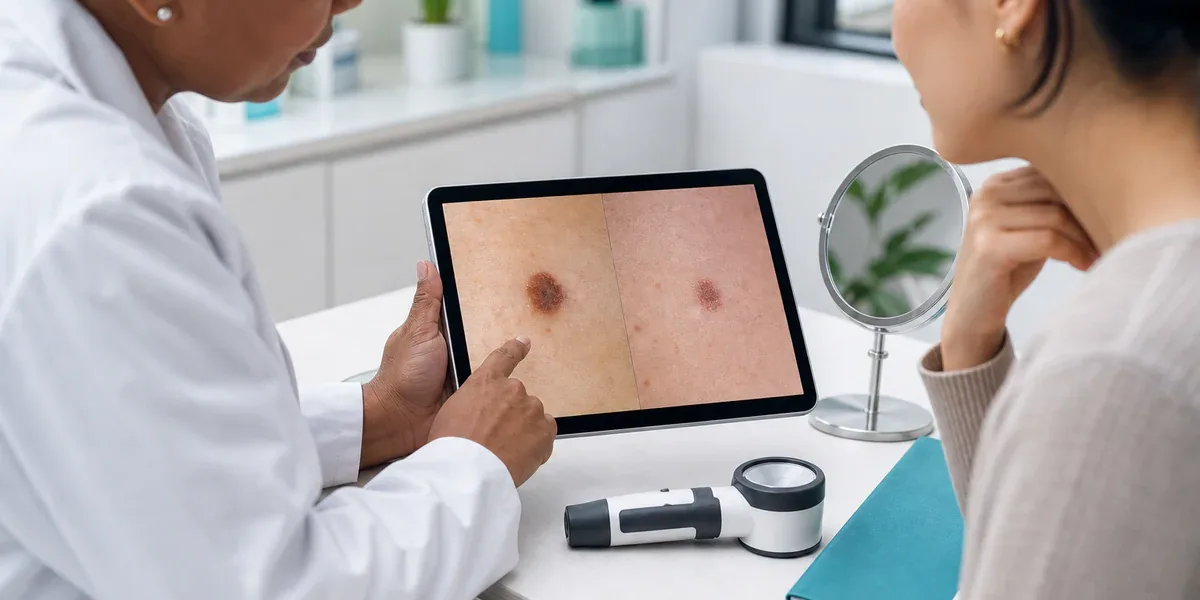
Shingles is usually diagnosed from your history and the look of the rash, which makes it a good fit for a video visit in many cases. Before your appointment, take a well-lit close-up of the rash and a wider photo that shows where it sits on your body. Note when the pain started and when the first blisters appeared.
By video, a clinician can review your photos and symptoms, discuss treatment options and send any appropriate prescription to your pharmacy. Read more about how skin conditions are diagnosed through virtual visits.
Some situations need in-person care. A rash on the face or near the eye needs an urgent eye exam, and a rash that does not look typical may need a swab or skin sample tested at a lab.
When to Get Care Right Away
Go to an emergency room or get same-day in-person care if you have shingles symptoms and:
- The rash is on your face, on or near your eye or on your nose. Shingles on the face can affect your eyesight even when the rash is not on the eye itself.
- You notice any change in your vision
- You have ear pain, a rash in or around the ear, hearing changes or dizziness
- One side of your face is weak or drooping
- You have a weakened immune system, such as from cancer treatment, HIV or medicines taken after a transplant
- The rash is widespread instead of in one band
- You are pregnant
Call 911 for confusion, unusual drowsiness, a severe headache with a high fever or trouble breathing. Call 911 as well for sudden facial drooping, since it can also be a sign of a stroke.
The Short Answer
Shingles usually begins with burning, tingling or pain on one side of the body, followed by a band of blisters. Antiviral treatment works best within 3 days of the rash, so reach out to a clinician quickly, and keep the rash covered until it crusts. A rash on the face or near the eye, facial weakness, ear symptoms or a weak immune system needs urgent in-person care.
Learn more on our online dermatology care page.
Get Support
Wade’s Care First provides telehealth care in Arizona, Florida, Illinois, Indiana, Kentucky, Michigan, Nevada and New York, with same-day appointments when available. Visits are with Charles Wade, FNP-BC, a board-certified family nurse practitioner.
We accept many major insurance plans, including Original Medicare (Indiana only), Medicaid (Indiana, Illinois and Nevada only), UnitedHealthcare, Aetna, Humana and Cigna. Plan participation varies by state, and self-pay visits are available.
If you think a painful, one-sided rash could be shingles, book a visit today so treatment decisions are not delayed.
Book at wadescarefirst.com.
Answers connected to this topic.
What photos help make an online skin assessment more useful?
Send a well-lit close-up and a wider image showing the location, without filters. Include how long the problem has been present and any products or medications tried.
How will we know whether a skin treatment is working?
Follow-up may involve symptom changes, repeat photographs, side-effect review and adjustment of treatment or referral when improvement is insufficient.
When should an older adult bypass telehealth and seek emergency help?
Chest pain, stroke symptoms, severe breathing difficulty, sudden confusion or major injury require emergency care rather than a routine appointment.
Further reading: medlineplus.gov · aad.org · magazine.medlineplus.gov · nhs.uk.